Source Crystal Phenoxycyclotriphosphazene for Flame Retardants
Find 30 verified listings for crystal phenoxycyclotriphosphazene used in plastic flame retardants, synthesis intermediates, and industrial applications. Compare specifications, prices, and packaging options from multiple suppliers to identify the best fit for your chemical sourcing needs; compare the available evidence and request quotations based on your requirements.
Key considerations
Products List




Comprehensive Sourcing Guide
Crystal Phenoxycyclotriphosphazene Sourcing Guide
Buyers seeking high-purity flame retardant intermediates must first distinguish between generic phosphazene derivatives and the specific crystal form known as Phenoxycyclotriphosphazene. The observed market data indicates a distinct product profile characterized by a molecular formula of C36H30N3O6P3 and a precise molecular weight of 693.57. This specific chemical identity, often associated with CAS number 1184-10-7, differentiates the material from simpler chlorinated variants like Phosphonitrilic Chloride Trimer, which possesses a significantly lower molecular weight of 347.66.
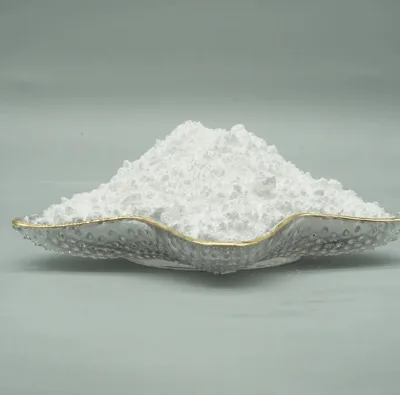
Procurement teams should verify that the physical appearance matches the "Crystal" or "White Crystalline Powder" descriptors found in reliable listings, as these attributes signal the correct crystalline structure required for effective flame retardancy. The observed price range of 0.5 to 1600 USD suggests a wide variance based on purity levels and order volume, necessitating careful scrutiny of unit pricing against the stated 99% standard. Understanding these baseline chemical and physical parameters is essential before engaging with suppliers to ensure the material meets the specific synthesis requirements of your downstream applications.
Product Scope and Observed Listing Signals
The product scope for this category encompasses synthesis material intermediates specifically designed for use as plastic flame retardants. Listings frequently identify the material under synonyms such as Hexachlorocyclotriphosphazene for related compounds, but the target item is strictly defined by its phenoxyl substitution pattern. Buyers must confirm that the listed product type aligns with "Synthesis Material Intermediates" rather than finished plasticizers, as the molecular structure C36H30N3O6P3 indicates a precursor intended for further chemical processing rather than direct additive use in final polymer blends.
Observations of packaging formats reveal a standardization around 25kg fiber drums, 25kg bags, or plastic drums, which influences logistics planning and storage requirements. The presence of customization options in some listings suggests flexibility in packaging or blending, yet the core chemical identity remains constant across these variations. Procurement professionals should note that while some entries list "White" as the color, others specify "White Crystalline Powder," and both descriptors generally refer to the same high-grade industrial material when the CAS number 1184-10-7 is present.
Technical Specifications to Verify
Technical verification begins with confirming the molecular weight and formula, as discrepancies here often indicate contamination or a different chemical variant entirely. The target material must exhibit a molecular weight of approximately 693.57 and the formula C36H30N3O6P3, distinguishing it from the C6H5ClFN variant with a weight of 145.56. Buyers should request batch-specific certificates of analysis that explicitly state these values, ensuring the supplier has not substituted the product with a lower-cost, lower-performance intermediate that fails to meet the required stoichiometric ratios for flame retardant efficacy.
Physical property validation is equally critical, with a focus on melting point and drying loss to ensure thermal stability and purity. The observed melting point of 116℃ serves as a key benchmark for identifying the correct crystalline phase, while a drying loss of less than or equal to 0.10% confirms the absence of excessive moisture or volatile impurities. Additionally, the density of 1.31 g/cm³ should be verified for bulk handling calculations, and the standard purity of 99% or greater must be explicitly documented to guarantee consistent performance in industrial synthesis applications.
Compliance and Safety Documentation
Regulatory compliance is a primary concern for international trade, particularly regarding environmental protection and chemical safety standards. The supplied data indicates that compliant products often carry REACH certification, and some listings also reference CCIC certification, which are vital for entering regulated markets in Europe and Asia. Buyers must demand current compliance certificates that specifically cover the CAS number 1184-10-7, as generic environmental protection claims without specific regulatory backing may not satisfy customs or safety audits in destination countries.
Safety documentation must also address storage and handling protocols to prevent degradation or hazardous incidents during transit and warehousing. The standard requirement to keep the material in a cool, dry place away from heat sources is a critical operational constraint that suppliers must acknowledge in their safety data sheets. Procurement teams should verify that the supplier provides comprehensive handling instructions that align with the material's sensitivity to heat, ensuring that the storage conditions recommended by the manufacturer are feasible within the buyer's existing logistics infrastructure.
Cost Drivers and Commercial Terms
Cost structures in this market are heavily influenced by the minimum order quantity and the specific packaging configuration selected by the buyer. The observed MOQ range of 1 to 200 units allows for flexibility, but the unit price fluctuates significantly between the low end of 0.5 USD and the high end of 1600 USD, likely correlating with order volume and purity guarantees. Buyers should analyze the cost per kilogram rather than the total order value, as the 25kg drum or bag packaging standard creates a baseline unit cost that can be compared across different supplier offers to identify the most economical option.
Commercial terms must clearly define the delivery lead time and the specific packaging standard to avoid unexpected logistical costs. While some listings specify a 25kg fiber drum and others a 25kg bag, the choice of packaging affects shipping weight and potential damage risks during transit. Procurement contracts should explicitly state the agreed-upon packaging type and confirm that the standard of 25kg/drum or 25kg/bag is maintained throughout the supply chain, ensuring that the final delivered product matches the technical specifications required for the intended synthesis process.
Supplier Qualification and Quality Control
Supplier qualification requires a rigorous assessment of their ability to maintain the strict purity standards observed in the market, specifically the 99% purity threshold. Buyers should verify that the supplier has a documented quality control process that includes testing for drying loss and melting point consistency, as these are the primary indicators of product integrity for Phenoxycyclotriphosphazene. A supplier claiming industrial quality must provide evidence of batch-to-batch consistency, ensuring that the molecular weight and formula remain stable across different production runs.
Quality control protocols should also extend to the verification of the product origin and the integrity of the supply chain. The observed origin of China suggests a specific manufacturing ecosystem, and buyers should confirm that the supplier operates within a facility that adheres to the stated environmental protection standards. It is essential to validate that the supplier can consistently deliver the "Crystal" appearance and "White Crystalline Powder" texture without deviation, as these visual and physical attributes are the first line of defense against receiving substandard or counterfeit materials.
Long-Term Procurement Checks
Establishing a long-term procurement strategy involves regular re-verification of the product's chemical identity and physical properties to ensure ongoing compliance. Buyers should implement a schedule for periodic testing of incoming batches to confirm that the molecular weight remains at 693.57 and the melting point stays near 116℃, preventing gradual drift in product quality that could disrupt downstream manufacturing. This proactive approach ensures that the material continues to meet the rigorous demands of industrial synthesis applications over the life of the supply contract.
Continuous monitoring of regulatory changes and certification renewals is also necessary to maintain uninterrupted supply. Since certifications like REACH and CCIC are time-sensitive, procurement teams must track expiration dates and ensure that the supplier maintains valid status before the next shipment arrives. Additionally, buyers should periodically review the supplier's adherence to storage guidelines, such as keeping the product away from heat, to prevent any degradation that might occur during extended storage periods or if the supplier's logistics partners fail to meet the required environmental conditions.
FAQs
What is the molecular formula of crystal phenoxycyclotriphosphazene?
The molecular formula is C36H30N3O6P3 for the specific crystal variant. This compound serves as a synthesis material intermediate with a molecular weight of 693.57. It is also known by the synonym Phenoxycyclotriphosphazene and carries the CAS number 1184-10-7 for identification purposes.
How is crystal phenoxycyclotriphosphazene typically packaged for shipment?
This product is commonly packed in 25kg fiber drums or plastic drums depending on the specific supplier configuration. Some listings indicate 25kg bags are also available. The packaging ensures the white crystalline powder remains stable during transport from the origin in China to international destinations.
Which certifications are available for crystal phenoxycyclotriphosphazene products?
Available certifications include REACH and CCIC for compliance with international safety standards. These certifications verify that the product meets specific regulatory requirements for industrial use. Buyers should verify the specific certification status with the manufacturer before placing large orders.
Can buyers request customization for crystal phenoxycyclotriphosphazene orders?
Yes, customization is available for this synthesis material intermediate. Buyers can often negotiate specific packaging or purity levels to match their industrial needs. The standard purity is typically 99% or greater, but custom specifications may be arranged directly with the factory.
What is the storage requirement for crystal phenoxycyclotriphosphazene?
The product must be kept in a cool and dry place to maintain stability. It should be stored away from heat sources to prevent degradation. Proper storage ensures the white crystalline powder retains its quality and performance characteristics as a flame retardant or plasticizer.
How does the purity of crystal phenoxycyclotriphosphazene affect its use?
High purity, typically 99% or greater, ensures consistent performance in industrial applications. The drying loss is usually less than 0.10%, indicating high quality. This level of purity is essential for its role as a plastic flame retardant or synthesis intermediate in chemical manufacturing.
What is the melting point of crystal phenoxycyclotriphosphazene?
The melting point is 116 degrees Celsius for this specific chemical compound. This physical property helps identify the substance during quality control processes. The density is approximately 1.31, which is useful for handling and storage calculations in industrial settings.